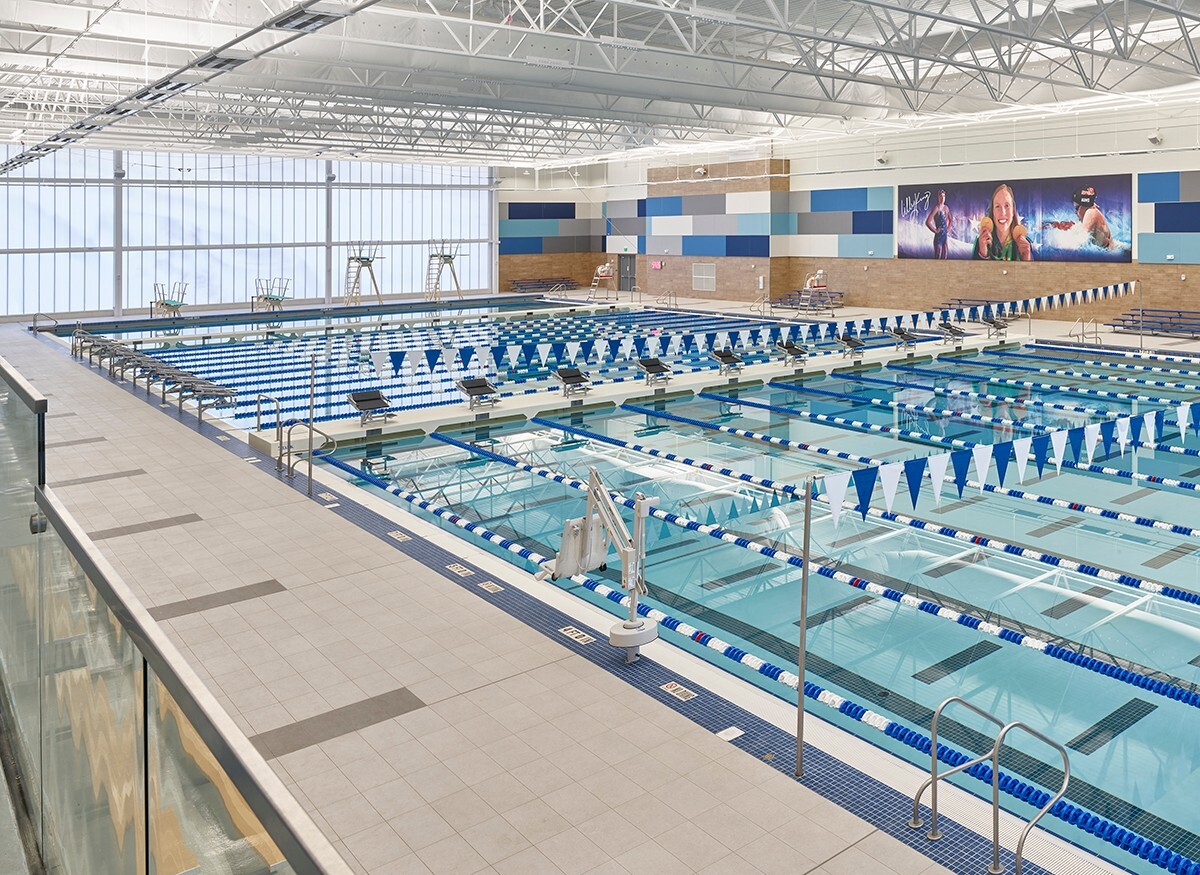
Architects and designers often face the challenge of creating spaces that not only look stunning but also foster health, comfort, and sustainability. Daylighting plays a pivotal role in this process. But what exactly is the difference between daylight and electric lighting, and why is it essential to consider both in building design? In this knowledge article, we explore the nuances of natural daylight and electric light from a scientific perspective and examine how a thoughtful blend of both can create healthier, more energy-efficient environments.
The Science of Daylighting
From dawn till dusk, daylight is dynamic and changes in intensity and color temperature.
This variability profoundly impacts human well-being and building performance, so understanding the science behind these differences is key to optimizing daylighting design.
Natural Daylight: A Dynamic Spectrum
Natural daylight — primarily delivered through windows, skylights, and glazed façades — is a full-spectrum light source derived from the sun. The standard measurement unit for color temperature is Kelvin (K) — in the context of daylight, Kelvin measures the hue of light along a spectrum ranging from warm (reddish) to cool (bluish). Color temperature plays a significant role in how we perceive and interact with light during the day. Natural daylight’s characteristics on a typical sunny day include:
Intensity Variability
- Morning light is soft and warm, with a low intensity and color temperature of around 2000–3000K.
- Midday light is intense and cooler — its higher intensity and color temperature are around 5000–6500K.
- Late afternoon and early evening light transitions back to a warmer hue, similar to the sunrise.
Circadian Rhythm Regulation
- Exposure to bright, cool (blue-rich) light in the morning and midday supports our internal biological clocks, enhancing alertness and improving mood.
- Warmer (red-rich) evening light tells the body to wind down, promoting restful sleep.
Spectral Completeness
- Daylight includes all visible wavelengths, ranging between ultraviolet to infrared, facilitating natural color rendering and a psychological and physiological connection to the outdoors.
Electric Lighting: Controlled Consistency
- Electric lighting — achieved through LEDs, fluorescents, or other technologies — is engineered to supplement or mimic natural light. Its key benefits include consistency, customizability, and energy efficiency:
Consistency
- Unlike natural daylight, electric light offers fixed intensity and color temperature, making it a predictable and reliable source when natural light is unavailable.
Customizability
- Modern lighting systems allow the precise tuning of brightness and color temperature.
- Some advanced LEDs offer dynamic spectral changes to align with circadian rhythms.
Energy Efficiency
- LED lighting has made electric lighting significantly more energy-efficient, with technologies like daylight sensors and dimmers optimizing energy use in response to changing daytime daylight illumination.
Why Both Natural Daylighting and Electric Lighting Matter
Relying solely on one type of lighting can result in suboptimal building performance.
By combining natural daylighting and responsive supplemental electric lighting, architects and specifiers can harness the benefits of both creating well-lit, energy-efficient, and human-centric spaces.
The Benefits of Natural Daylight
1. Health and Well-Being
Access to natural light has been shown to reduce stress, enhance mood, and improve productivity. Studies have demonstrated that workers in offices with ample daylight report higher job satisfaction and fewer health complaints.*
2. Energy Savings
Strategically placed skylights, tubular daylighting devices, glazed wall systems and windows can reduce the need for electric lighting during daytime hours, significantly lowering energy costs while increasing the building’s sustainability.
3. Aesthetic Appeal
Daylight enhances architectural features, creating visually dynamic spaces that change with the time of day.
The Limitations of Natural Daylight
Alongside the health and energy benefits of natural daylight, some obvious challenges restrict its usefulness in buildings. Dependence on weather and time of day, the potential for glare or uneven light distribution, and heat gain or loss through large, glazed areas can cause issues which electric daylighting is indispensable in addressing.
To mitigate these challenges, translucent systems, and tubular daylight devices (TDDs) offer innovative solutions. Translucent systems, such as frosted glass, fiberglass reinforced polymer (FRP) panels or polycarbonate glazing, diffuse sunlight to reduce glare and provide more even light distribution. These systems can be strategically placed to enhance the quality of natural daylight without the associated heat gain or loss.
Tubular daylight devices, also known as tubular skylights, capture sunlight on the roof and channel it through highly reflective tubes into interior spaces. TDDs are effective in bringing natural light into areas that are otherwise difficult to illuminate, such as basements or interior rooms, without the need for additional electrical lighting. By harnessing and optimizing natural daylight, these technologies help maximize its benefits while minimizing its limitations.
Getting the Right Balance
Use strategies that leverage both electric light and daylight.
To fully leverage both natural daylight and electric lighting, design strategies must integrate their strengths while mitigating their weaknesses.
Strategic Placement and Choice of Natural Daylight Sources:
- Use tubular daylighting devices (TDD), skylights, clerestories, and translucent wall panels made from polycarbonate, fiberglass reinforced polymer (FRP) or translucent glass designed to increase diffusion, allowing even light distribution while minimizing glare and heat gains.
- Utilize Tubular Daylighting Devices to bring daylight into difficult to reach areas and illuminate interior surfaces while minimizing shifting patterns of light.
- Incorporate glazed façades with advanced coatings to reduce heat gain and improve energy efficiency.
- Utilize skylights with transparent glass in transient areas or where views and a connection to the sky are a key design goal.
Optimized Electric Lighting Design:
- Select LED systems with tunable white technology to mimic natural daylight’s spectrum and intensity changes.
- Pair electric lighting with daylight sensors to maintain consistent light levels while conserving energy.
Synergistic Integration:
- Combine natural daylight and electric lighting in layered systems. For instance, a well-placed skylight or TDD can provide daylight during the day, while strategically positioned LEDs enhance interior surface brightness on overcast days or at night.
Energy Modelling and Simulation:
- Leverage simulation tools to predict daylight performance and energy consumption. These tools help architects refine designs for optimal balance.
Integrating Daylight into Architectural Plans
Building codes and standards establish the minimum requirements for natural daylight in terms of occupant wellbeing. While these vary by jurisdiction, they often reference the International Building Code (IBC), which specifies a minimum glazed area not less than 8% of the floor area of the room, and the International Residential Code (IRC). Beyond building codes, energy standards such as ASHRAE 90.1 and the International Energy Conservation Code (IECC) address the use of daylighting solutions to enhance energy efficiency.
When considering fenestration, in addition to windows, skylights, TDDs, and glazed façades are instrumental in achieving a harmonious blend of natural daylight and electric lighting. For example, designers can exploit the advantages of:
Skylights and Tubular Daylighting Devices:
- Lightweight, durable, and highly customizable, translucent panel skylights and TDDs allow diffuse and controlled daylight to penetrate deeply into spaces, reducing glare and maximizing comfort.
- Glass glazed skylights can be configured to let the maximum amount of light into a space or can be configured with glass featuring translucent interlayers for light control.
- Skylights and TDDs can be paired with smart shading systems to modulate light levels dynamically.
Façades:
- Translucent panel systems can be integrated with vision glass to provide enhanced thermal performance while enabling expansive views and daylight penetration.
- Glazed facades integrate seamlessly with electric lighting systems to maintain consistent lighting levels.
In summary, far from being competitors, daylight and electric lighting are partners in creating healthier, more energy-efficient buildings. By understanding their scientific differences and integrating them thoughtfully, architects and specifiers can design spaces that enhance human well-being, reduce energy consumption, and elevate architectural aesthetics.
As a manufacturer of TDDs (Tubular Daylighting Devices), polycarbonate and FRP (Fiberglass Reinforced Panels) glazing solutions, and innovative glass skylight systems, we can help you achieve the right balance between natural daylight and electric lighting.