Knowledge Article
Beyond Sustainable Cladding: Why Architects Are Looking at the Entire Building Envelope
Date September 3, 2026
Architects have more sustainable cladding options than ever before. Recycled content and bio-based materials are expanding the design palette and giving project teams new ways to reduce environmental impact.
But cladding is only the outermost layer.
To understand how a building will perform, architects must look at the entire building envelope. Insulation, air and water control, thermal continuity, installation, and material use all influence building efficiency. That is why more design teams are evaluating the envelope as one complete system.

Sustainability starts with performance
A façade may look sustainable on paper, but the wall assembly behind it is part of what determines how much energy the building will need throughout its life. Gaps in insulation or thermal bridging can lead to energy loss and increase heating and cooling demand. A high-performance envelope helps limit these issues by creating a continuous barrier between indoor and outdoor conditions.
At Kingspan, our insulated metal panels (IMPs) combine exterior and interior metal skins with a continuous insulating foam core. When properly installed, they provide thermal, air, water, and vapor control in a single system.
With R-values of up to 8.0 per inch, our IMPs also help reduce heat transfer and support lower operational carbon emissions. They can also help maintain more consistent indoor temperatures, creating comfortable environments for building occupants.
Look at embodied carbon across the assembly
Embodied carbon is another important part of the building envelope conversation. Architects are increasingly using Environmental Product Declarations, or EPDs, to compare materials. However, the carbon impact of an envelope depends on more than one product. The number of wall components and installation requirements both affect the final result.
An integrated system may replace several separate layers while also reducing the need for secondary supports. In one study we conducted, QuadCore IMP wall assemblies reduced embodied carbon by 28% compared with conventional concrete wall assemblies.
We also offer product- and site-specific EPDs, giving architects more detailed information about the panels being considered for a project.
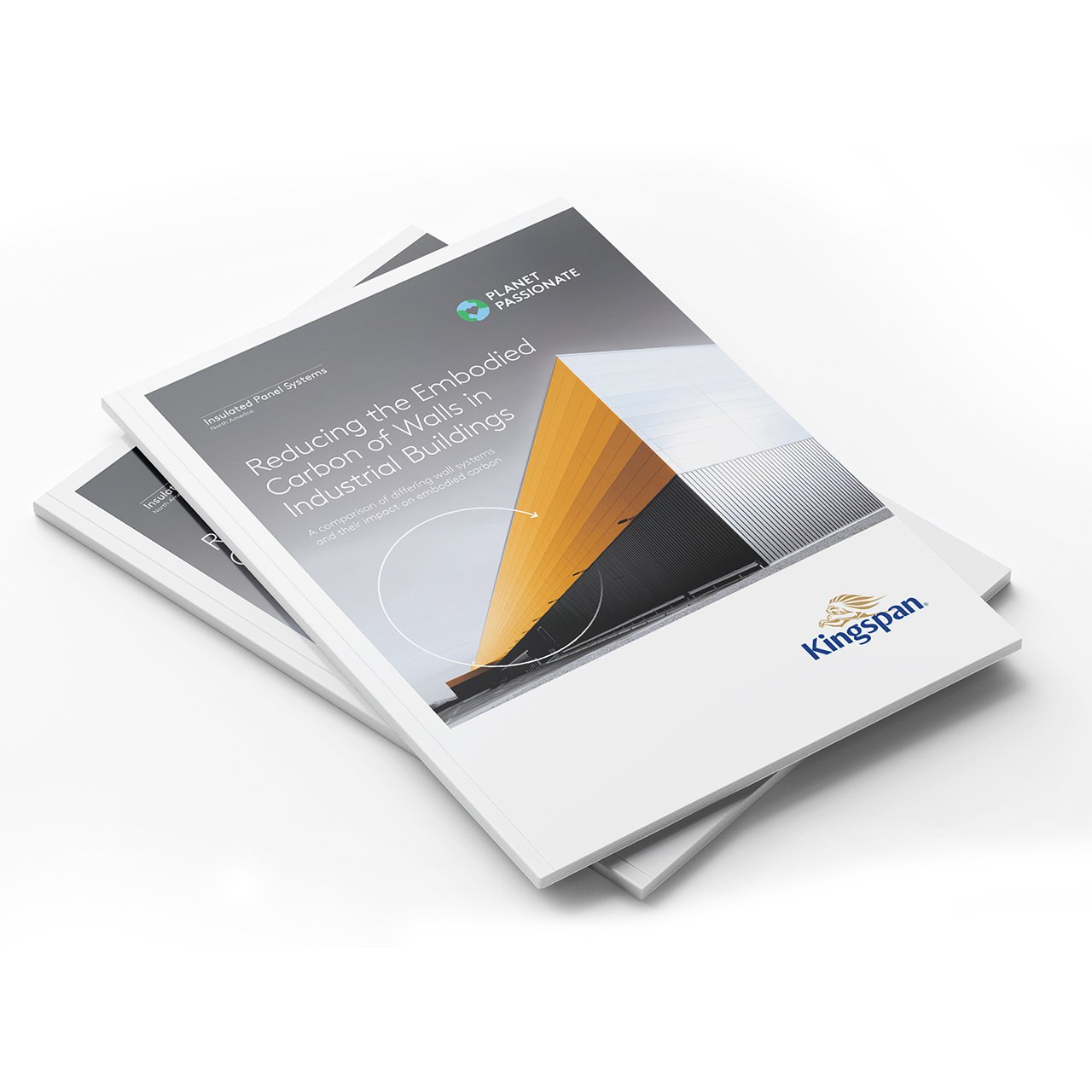
White Paper
Reducing the Embodied Carbon of Walls in Industrial Buildings
Kingspan partnered with KieranTimberlake to quantify how Kingspan can reduce embodied carbon in industrial buildings. We conducted an LCA to quantify how QuadCore panels compare against other building materials.
Simpler construction can support better outcomes
Envelope performance depends on design, but it also depends on installation. Traditional multi-component wall systems may require several products and trades. Every connection between layers introduces another detail that must be completed correctly.
Kingspan IMPs arrive ready to install as a single-component system. They require one type of installer and can quickly create a weathertight building enclosure. Faster dry-in allows interior work to begin sooner and can help opportunities for installation error.
This streamlined approach supports both project efficiency and long-term building performance.
Performance without sacrificing design
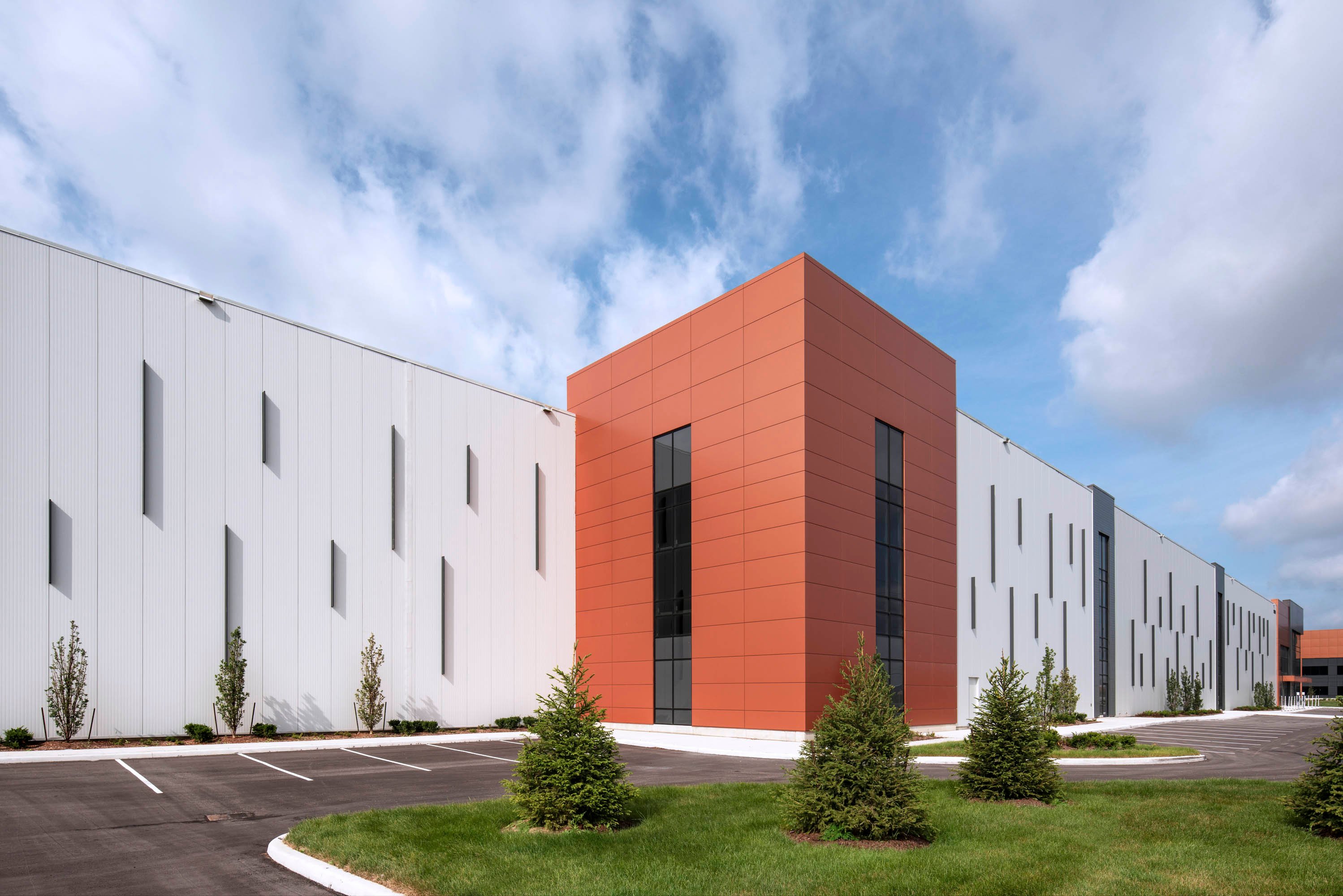
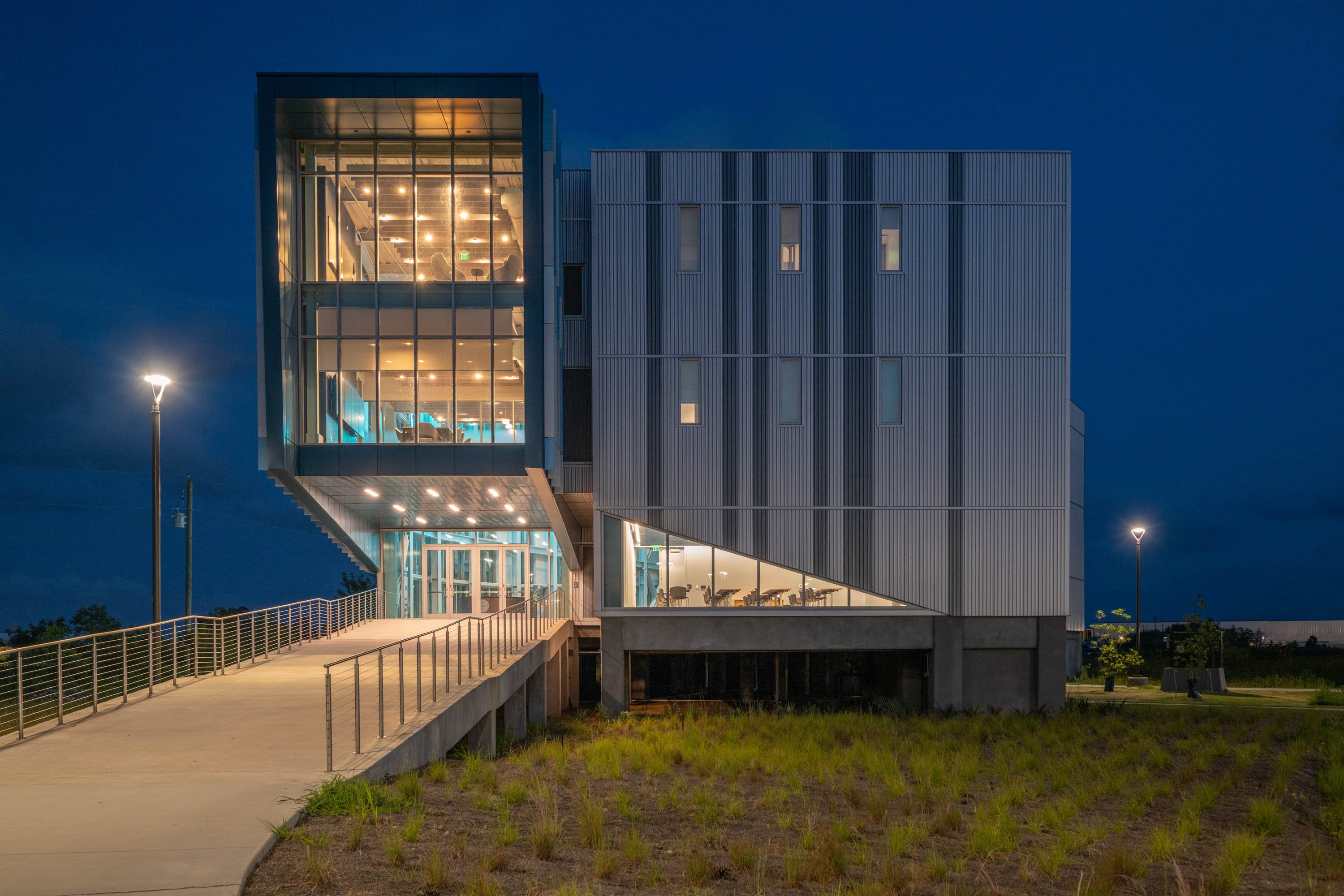
Looking at the full building envelope does not mean limiting architectural expression. Kingspan’s insulated panel systems give architects the freedom to create distinctive façades while maintaining the performance of the enclosure. Panels can be installed horizontally or vertically, combined in varying widths, or paired with materials such as glass or brick.
Design teams can use smooth and ribbed surfaces, custom colors, and different joint orientations to create visual rhythm or contrast. Panels can also be installed horizontally or vertically. Additionally, systems such as Kingspan KarrierPanel provide a high-performance insulated barrier behind a wide range of exterior façade materials. This allows architects to explore different cladding options while maintaining continuity in four control layers.
A complete approach to sustainable design
Sustainable cladding innovation is important, but no façade material works alone.
By evaluating the entire building envelope, architects can address performance and design within one coordinated strategy.
Kingspan building envelope solutions bring these priorities together, helping project teams create buildings that support long-term goals.
Talk to Us
What can we help you with?