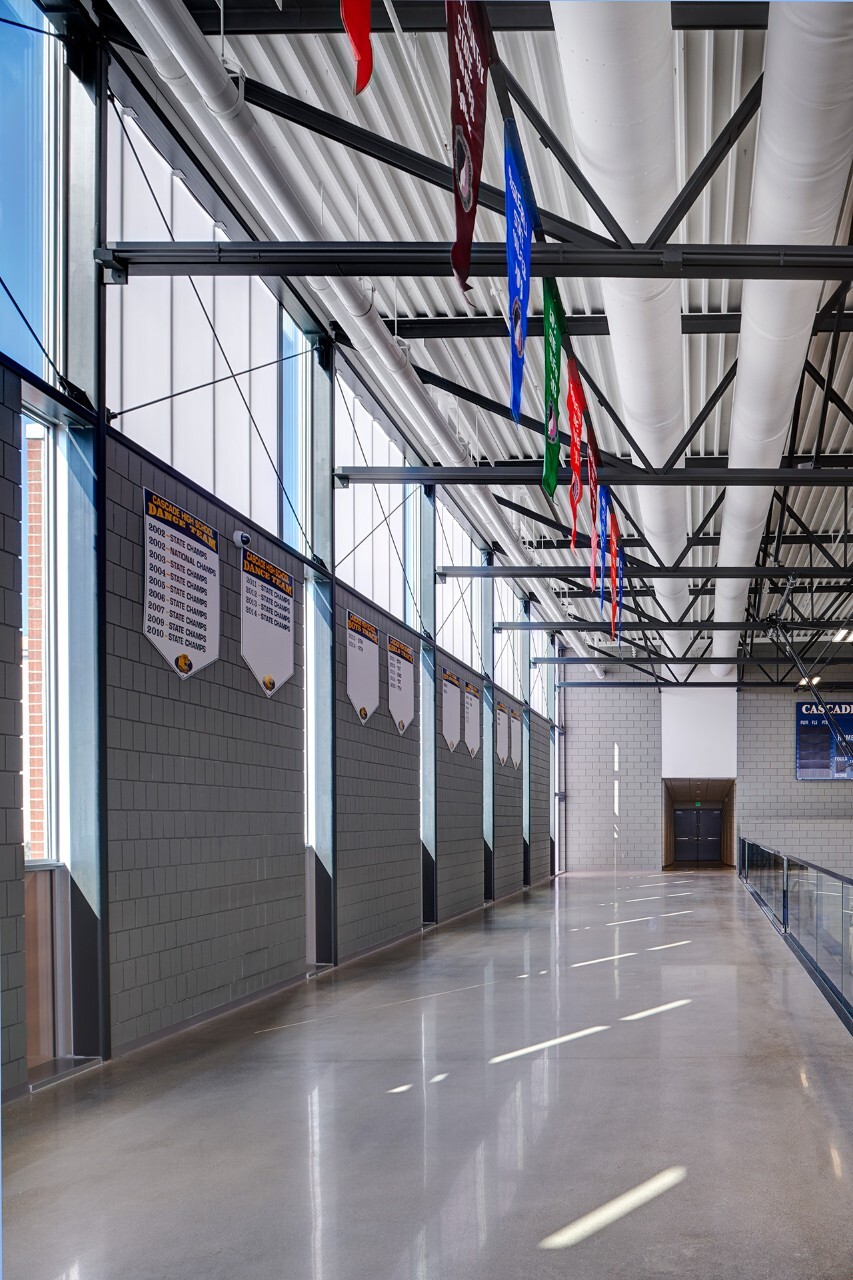
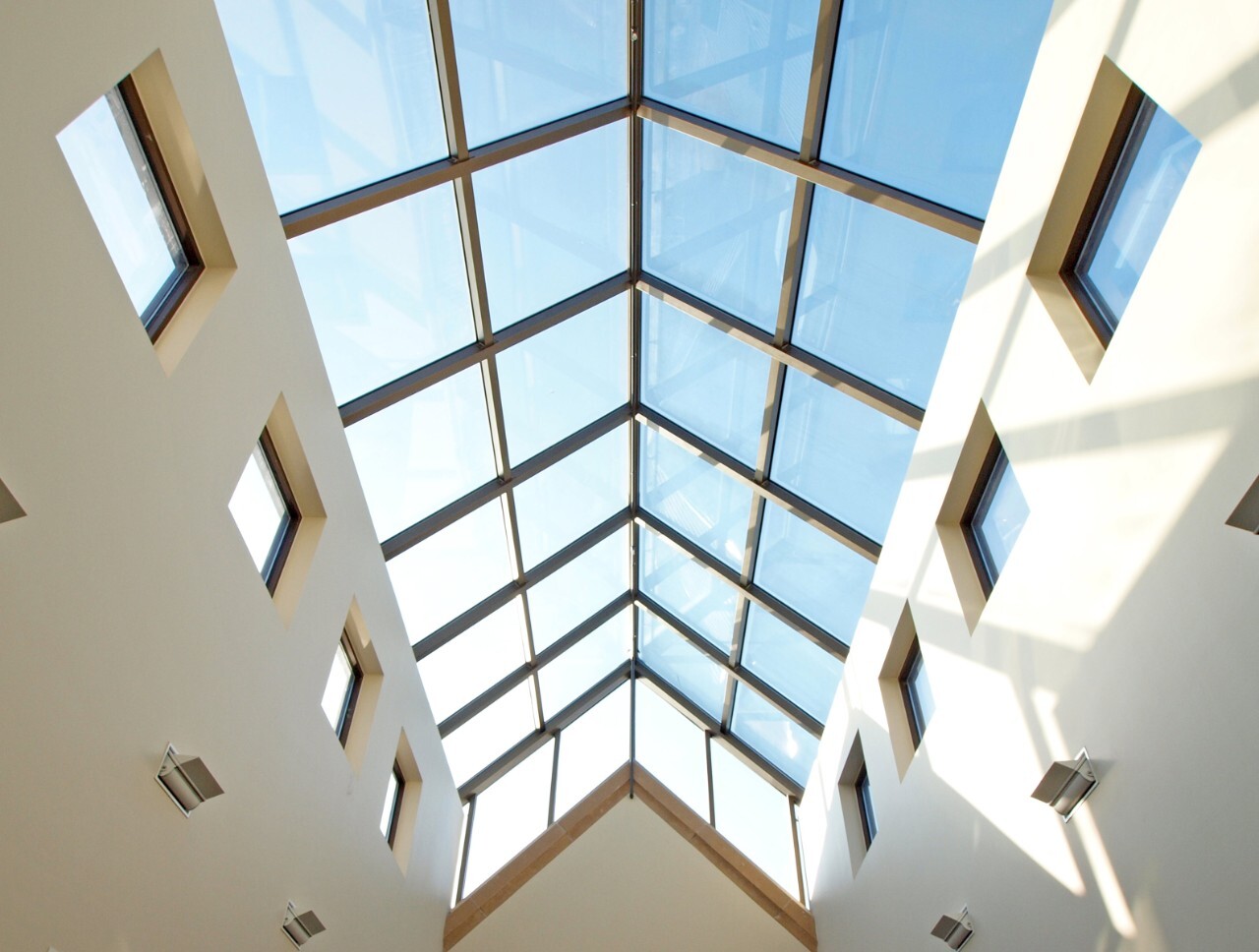
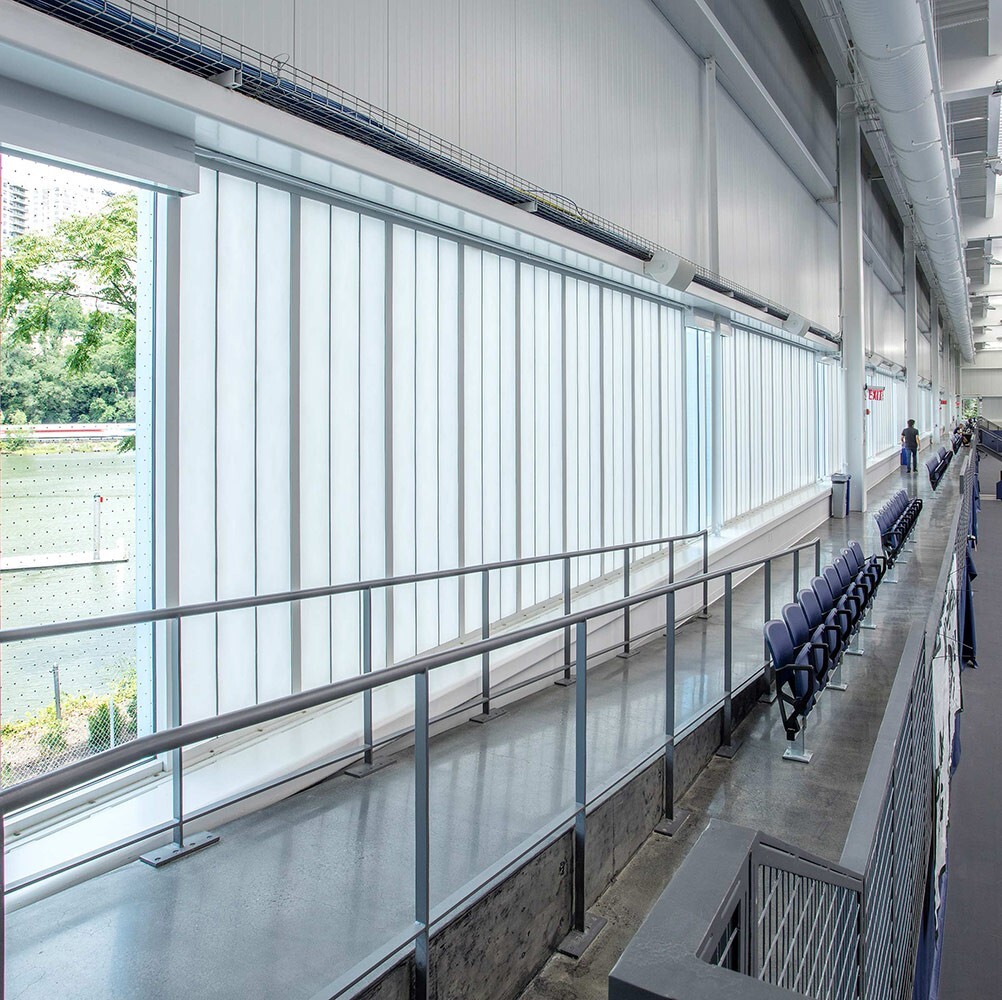
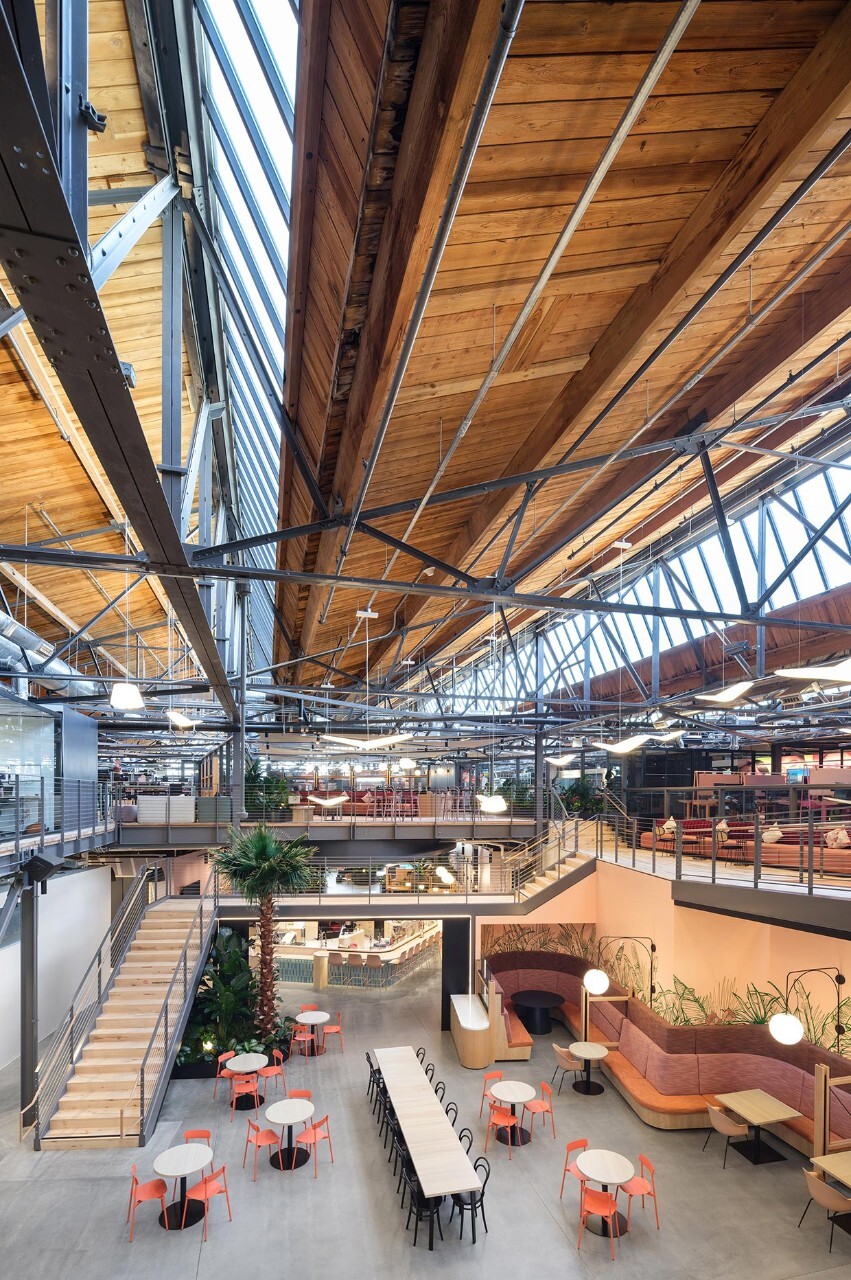
The strategic use of natural light within architectural spaces enhances aesthetics and supports occupant well-being and energy efficiency. Recognizing these benefits, building certification systems such as the WELL Building Standard (WELL) and Fitwel have integrated daylighting criteria into their guidelines.
While there are many nuances to each of these systems and what may apply, here is an overview of the latest daylighting requirements within these standards, offering architects and designers insights into creating healthier, more sustainable environments.
KEY COMPARISON OF STANDARDS
- WELL
- Focus: Human health and performance
- Daylighting Focus: Circadian health, visual comfort
- Origin: US (IWBI – International WELL Building Institute)
- Fitwel
- Focus: Health and wellness access
- Daylighting Focus: Visual comfort, education, access
- Origin: US (CDC – Centers for Disease Control, the GSA – General Services Administration, and Center for Active Design CfAD)
- LEED
- Focus: Environmental sustainability
- Daylighting Focus: Energy reduction, daylight modeling
- Origin: US (USGBC – US Green Building Council)
- BREEAM
- Focus: Environmental and lifecycle
- Daylighting Focus: Daylight for occupant satisfaction and energy
- Origin: UK (BRE – British Research Establishment)
Focus on Wellness
Why WELL and Fitwel are different
Unlike more traditional environmental building standards such as LEED and BREEAM, the primary focus of WELL and Fitwell is human health, wellness, and occupant comfort – including daylighting, air quality, nutrition, and mental health.
Within this biological and psychological approach, WELL is performance-based and science-backed, with rigorous metrics for circadian lighting, acoustics, thermal comfort, and more. For architects, this means prioritizing sDA300, 50% simulations and strategic glazing placement (e.g., 7% minimum glazing per floor area).(1)
One study cited in a literature review found that WELL-certified office spaces had the highest scores for overall satisfaction, workability, perceived productivity, and health, with the bestperforming offices being those with active and biophilic designs to support work-related activities and ergonomics.
Fitwel is more accessible and streamlined, offering flexible pathways to integrate wellness into building design and operations without being overly prescriptive. Key for Fitwel v3 compliance: achieving a 35% window-to-wall ratio (WWR) and 40% VLT glazing—modular roof lights can supplement façade glazing to meet thresholds in deep-floor plans.(2)
Let's take a closer look at each in relation to daylighting…
WELL Building Standard:
Emphasizing Light for Health
WELL measures, certifies, and monitors features of the built environment that impact human health and well-being. Its Light concept promotes exposure to natural light to support circadian health, enhance productivity, and improve visual comfort.
Feature L01: Light Exposure
WELL v2 Feature L01: Light Exposure emphasizes the importance of adequate daylight exposure through various design strategies:
- Daylight Simulation: Projects must demonstrate, via computer simulations, that a certain percentage of regularly occupied spaces receive sufficient daylight. Specifically, this means achieving a spatial daylight autonomy of sDA300,50% – in other words, at least 300 lux for 50% of operating hours for at least 30% of the space. (Tip: Modular skylights extend daylight penetration in core areas).
- Interior Layout: Design strategies should ensure that a significant portion of regularly occupied areas are near envelope glazing (windows or other transparent elements). For instance, placing at least 30% of such areas within a 20 ft horizontal distance from envelope glazing can contribute to meeting daylighting requirements.
- Building Design: The standard also considers the overall design, such as ensuring that the envelope glazing area >=7% of the regularly occupied floor area for each floor level.
Feature LO5: Daylight Design Strategies
WELL’s Feature L05: Daylight Design Strategies encourages the implementation of design strategies to enhance daylight exposure – this includes:
- Daylight Planning: Positioning workstations near windows within specific distances (e.g., within 7.5 meters) can earn points under this feature.
- Solar Shading Integration: Incorporating shading systems with manual or automated controls helps manage glare and heat gain, ensuring visual comfort while maximizing daylight benefits.
Feature L06: Daylight Simulation
Feature L06 requires projects to use daylight simulation tools to predict daylight levels within spaces. Demonstrating that a certain percentage of regularly occupied spaces achieve specified sDA levels ensures that occupants receive adequate daylight exposure throughout the day.
Recent WELL Updates: The Q4 2024 addenda introduced updates aligning daylighting thresholds with the lighting industry's LM- 83-23 standard, simplifying compliance calculations within modeling software.
Fitwel Standard:
Integrating Daylight for Occupant Well-being
Fitwel v3 (launched in December 2024) introduces refined strategies to enhance daylight access, including addressing Visible Light Transmittance, Window-to-Wall Ratios and more.
- Visible Light Transmittance (VLT): All windows in regularly occupied spaces must have a VLT exceeding 40%, ensuring that a significant amount of natural light penetrates indoor environments.
- Window-to-Wall Ratio (WWR): A minimum WWR of 35% is mandated for each regularly occupied floor, balancing daylight access with energy efficiency and glare control considerations. (Tip: Combine vertical glazing with roof lights to meet WWR without compromising thermal efficiency.
- Educational Materials: Fitwel states that providing occupants with information on strategies to maximize daylight access, such as positioning workspaces near windows and understanding the health benefits of daylight, is essential.
- Daylight Simulations: Fitwel offers alternative compliance pathways through daylight simulations:
- Spatial Daylight Autonomy (sDA): Projects can demonstrate that an average sDA300, 50% is achieved for at least 60% of the floor area across all regularly occupied spaces, ensuring consistent daylight exposure.
- Alternative Compliance: Aligning with recognized standards such as LEED v4 BD+C: Daylight, Option 2, or Option 3, provides flexibility in meeting daylighting criteria.
Fitwel v3 Enhancements: Recent changes to Fitwel emphasize efficiency and scalability, offering tools that simplify certification and increase scorecard applicability while reducing user workload.
Implications for Architects and Designers
Making the most of daylighting design
Integrating daylighting strategies in line with WELL and Fitwel standards offers numerous benefits, including enhanced occupant wellbeing, increased energy efficieny and more.
- Enhanced ROI: Wellness real estate purchases command higher sales premiums averaging 10 – 25% over traditional real estate. (Global Wellness Institute, 2024).(3)(4)
- Enhanced occupant well-being: adequate daylight exposure supports circadian rhythms, improves mood, and boosts productivity.
- Energy efficiency: maximizing natural light reduces reliance on artificial lighting, leading to energy savings.
- Certification achievement: adhering to these standards can highlight a commitment to health-centric and sustainable design.
Daylighting will remain a critical element of healthy building design. By aligning with the latest WELL and Fitwel requirements, architects and designers can create spaces that meet certification criteria while fostering occupant well-being and environmental sustainability.
Project Highlight:
L'Oreal USA's El Segundo, California Corporate Office
L'Oréal's El Segundo office achieved both LEED and WELL Platinum certification.
Certification: LEED and WELL Platinum.
Daylighting Solution: Glass skylights, along with ample windows, maximize natural light.
Summary: L'Oréal's El Segundo office achieved both LEED and WELL Platinum certification by implementing energy-efficient HVAC and lighting systems, a 330kW solar array, and extensive use of natural light. This sustainable design reduces energy consumption by 79% and enhances employee well-being through bright and inviting workspaces, setting a benchmark for sustainable and healthy office environments.
Further reading:
- A broader comparison of WELL and Fitwel can be found on the SALUS healthy design knowledge community: https://www.salus.global/article-show/welland- fitwel-a-comparison-of-health-focusedrating- system.
- For a commentary on the WELL v2 Building Standard, focusing on its methods, international applications, and the growing empirical evidence from research studies supporting its effectiveness, refer to Genell Wells Ebbini, Transforming health: The WELL Building Standard’s role in sustainable development, Cell Reports Sustainability, Volume 1, Issue 5, 2024, 100100, ISSN 2949-7906, https://doi. org/10.1016/j.crsus.2024.100100. (https:// www.sciencedirect.com/science/article/pii/ S2949790624001599)
- You can find an overview of academic papers on WELL in: Kokatnur T, Faris F et al, The WELL Building Standard: A literature review and bibliometric analysis of a nascent field, Journal of Building Engineering, Volume 103, 2025, 112121, ISSN 2352-7102, https://doi.org/10.1016/j.jobe.2025.112121. (https://www.sciencedirect. com/science/article/pii/S2352710225003572)
Article Citations/Resources:
(1) International WELL Building Institute (IWBI). (2021). Daylight modeling. In WELL Building Standard Version 2 (v2). Retrieved May 21, 2025, from https://standard.wellcertified.com/v2/light/daylight-modeling
(2) Center for Active Design (CfAD). Fitwel v3 Building Design Guidelines. New York: Center for Active Design, 2024. https://static1.squarespace.com/static/ 6294f761bc48c512bfad618b/t/665e273b2f2f61562f3958b6/1724120693463/Fitwel+v3+Building+Design+Guidelines_Site.pdf (accessed May 21, 2025).
(3) Paolo Volani, “Wellness Developments and Premiums,” Paolo Volani (blog), accessed May 21, 2025, https://paolovolani.com/wellness-developments-premiums/
(4) Boston University. "A Guide to Developing Wellness Real Estate." Boston Hospitality Review, March 29, 2022. https://www.bu.edu/bhr/2022/03/29/a-guide-to-developing-wellness-real-estate/